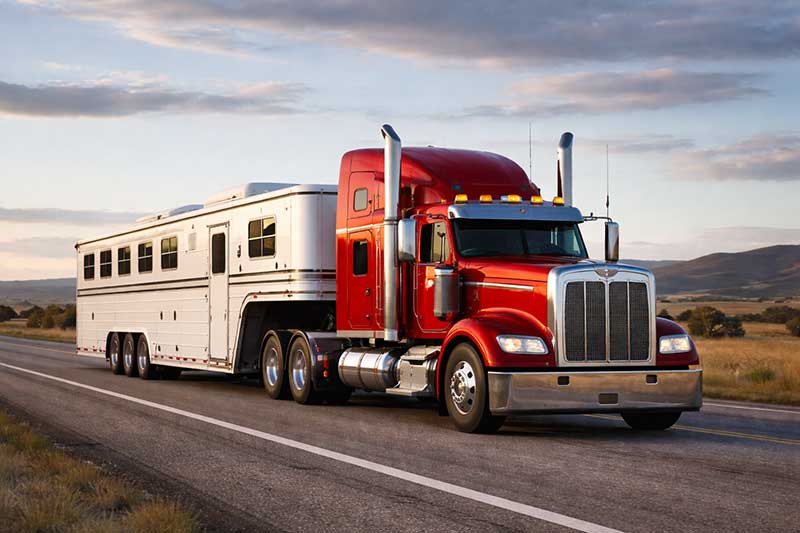
In recent years, a troubling trend has begun surfacing along highways throughout the Southwest and across the country: commercial truck operators attempting to claim the “RVIA exception” to avoid weigh stations, commercial-vehicle regulations, and certain safety requirements.
While this tactic may sound technical, the implications are serious—both for public safety and for civil liability when crashes occur.
What Is the RVIA Exception?
The RVIA (Recreation Vehicle Industry Association) certification applies to recreational vehicles manufactured to specific safety and construction standards for consumer use—motorhomes, travel trailers, and similar non-commercial vehicles.
Vehicles legitimately covered under RVIA status are generally:
- Used for personal recreation, not commerce
- Not hauling freight for hire
- Not operating as part of a commercial motor carrier operation
Because of this, they are often exempt from:
- Commercial weigh-station requirements
- DOT hours-of-service rules
- Certain commercial inspection and licensing obligations
That exemption exists for a logical reason: RV drivers are not commercial freight operators.
Where the Problem Starts
The issue arises when commercial truckers attempt to reclassify or disguise vehicles as RVs—or claim RVIA-type exemptions—to bypass regulation.
Common tactics seen in enforcement and litigation include:
- Registering commercial trucks as “private motorhomes”
- Using converted tractors or haulers while still transporting goods for compensation
- Avoiding ports of entry or weigh stations by asserting RV status
- Operating under the appearance of personal use while conducting commercial transport
This is not a harmless paperwork maneuver. It directly impacts:
- Oversight
- Maintenance compliance
- Driver fatigue monitoring
- Insurance coverage
- Crash risk on public roadways
Why Regulators and Courts Care
Commercial trucking regulations exist because large vehicles present higher risks:
- Increased stopping distances
- Catastrophic injury potential
- Greater property damage exposure
When a trucker improperly claims RV status, they may sidestep:
- Safety inspections
- Driver qualification standards
- Hours-of-service fatigue rules
From a legal standpoint, that conduct can become evidence of:
- Negligence
- Regulatory evasion
- Conscious disregard for safety
In serious injury or wrongful-death cases, these facts can dramatically affect:
- Liability findings
- Punitive-damages exposure
- Insurance coverage disputes
The Insurance Consequences
Insurance carriers write very different policies for:
- Recreational vehicles
- Commercial motor carriers
If a crash occurs and the vehicle was:
- Operating commercially
- Carrying goods
- Being paid for transport
…while insured as an RV, insurers may:
- Deny coverage
- Rescind policies
- Assert misrepresentation or fraud
This leaves victims in a far more complex recovery posture and can expose operators to personal liability.
What We’re Seeing in Litigation
In truck-crash litigation, investigators increasingly examine:
- Vehicle registration classifications
- RVIA certification claims
- Actual commercial use versus declared personal use
- Weigh-station avoidance patterns
- Electronic logging and dispatch records
When discrepancies appear, they often become a central liability theme:
The operator attempted to avoid the safety framework designed to protect the public.
That narrative resonates strongly with juries.
Safety vs. Loopholes
There is nothing improper about legitimate RV ownership or travel. The problem arises when regulatory categories meant for recreational use are stretched to:
- Avoid oversight
- Reduce operating costs
- Increase profit margins in freight transport
That shift moves the issue from administrative classification into public-safety territory.
Bottom Line
The “RVIA exception” is not a shield for commercial trucking. It is a narrowly tailored classification for recreational vehicles.
When truckers attempt to use it to bypass weigh stations, safety inspections, or commercial regulations, the consequences extend far beyond citations. These choices can shape:
- Crash outcomes
- Insurance disputes
- Civil liability
- Jury verdicts
And most importantly, they can affect whether preventable collisions occur in the first place.
As enforcement agencies and civil litigators continue to scrutinize these practices, the message is becoming clear:
You cannot operate like a commercial carrier while claiming the privileges of a recreational driver.